Seasonal iGaming Google SEO is the process of preparing useful pages for predictable changes in search demand. Sports calendars, recurring tournaments, product launches and public holidays can all change what people search for and when they search for it. The work begins before the peak, when teams still have time to research, publish, earn discovery and correct mistakes.
A dependable plan connects every event to an audience, a search phase, a page owner and an expiry decision. It does not rely on promotional winnings language or forced repetition of event keywords.
Seasonal demand has several phases
Interest often develops in waves. Early searches may concern dates, qualification, format or schedules. Closer to the event, users may look for participating teams, coverage and current information. During the event, freshness and accuracy become more important. Afterward, demand may move to results, analysis or the next edition.
Map these phases separately. One evergreen tournament page may serve recurring background demand, while date-specific pages handle a particular edition. A B2B supplier should focus on operator planning and implementation questions rather than competing with player-facing news sites.
Build an event inventory
Begin with dates that materially affect the intended audience. Record major football or cricket competitions, regulatory deadlines, scheduled product changes and recurring editorial milestones. Verify dates with the official organizer or authority before they enter the production calendar.
Do not assume that every popular event deserves a page. Check whether the site has a relevant audience, a useful angle and enough verified information to improve the search results. Reject ideas that depend on unconfirmed broadcast rights, match coverage, promotions or market access.
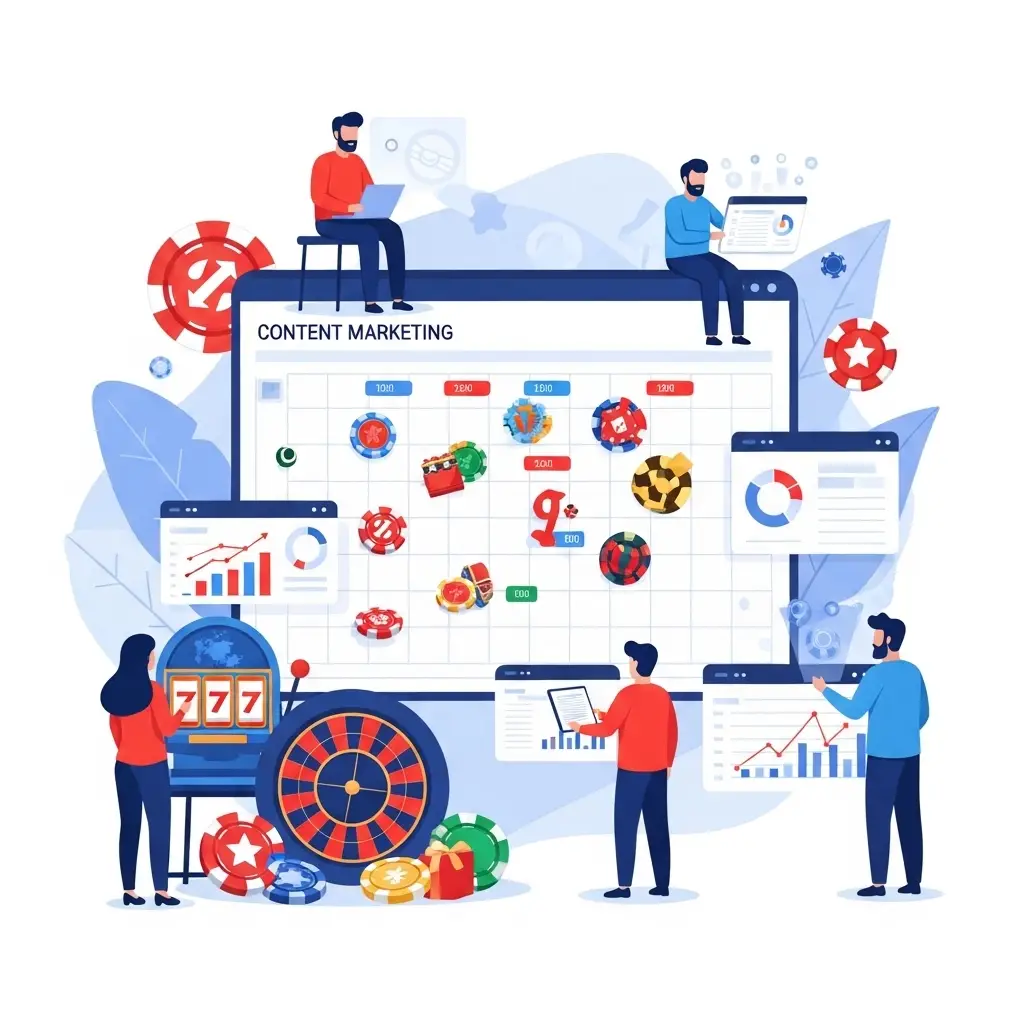
Copyable seasonal planning table
| Field | What the team records |
|---|---|
| Event | Official name and edition |
| Audience | Player, operator, affiliate or supplier |
| Market and language | Intended location and page language |
| Search phase | Research, preparation, live or post-event |
| Page owner | Existing URL or approved new URL |
| Evidence | Search Console, trend data, customer question or official calendar |
| Draft date | When research and writing begin |
| Publish date | When the page must be available for discovery |
| Update points | Dates when facts and internal links are checked |
| Source owner | Person responsible for verifying changing information |
| Compliance check | Market, responsible-use, rights and claim review |
| Expiry action | Keep, refresh, merge, redirect or remove |
Plan backward from the peak
Work backward through five stages: research, approval, production, technical QA and discovery. Research confirms the audience, query and official facts. Approval confirms that the angle fits the business and market. Production creates the page and supporting assets. Technical QA checks indexability, canonicals, metadata, images and internal links. Discovery gives search engines and users time to find the page.
There is no universal number of weeks that guarantees visibility. A new domain, a competitive event and a page that requires legal review may need more preparation than an established annual resource. Set the timeline from past crawl data and operational capacity rather than a generic promise.
Choose the right URL lifecycle
Evergreen URL
Use an evergreen URL when the main task recurs and the page can be updated without changing its purpose. Keep the core explanation stable, update the visible edition details and maintain an honest reviewed date.
Edition-specific URL
Use a year or edition when the event creates a distinct archive that users may continue to need. Link editions through a permanent event hub rather than redirecting all historical pages without considering their value.
One-off URL
Use a one-off page only when it serves a temporary need that cannot be handled by an existing hub. Decide before publication whether it will be retained, merged or redirected after the event.
Match the page to each phase
Pre-event content can explain schedules, preparation, eligibility, implementation or verified coverage. Live-phase content must have an owner who can keep facts current. Post-event content should add analysis or preserve a useful record rather than merely changing the date.
For a sports match-signal supplier, useful B2B content may help an operator prepare integration requirements, schedule fields and website delivery. It should state that exact coverage, formats, delay, support, rights and pricing are confirmed during consultation. Consumer-style promises about free streams, winnings or unrestricted coverage do not belong in that content.
Build discovery before the peak
Link the event page from a relevant hub and from existing pages that genuinely help the same reader. Use descriptive anchors. Add it to the sitemap, confirm a self-referencing canonical and inspect the rendered page. The topic cluster template can show which supporting pages should point to the seasonal resource.
Do not create many near-identical pages for minor keyword variations. One complete page with clear sections normally serves the event better than a set of thin pages competing for the same query.
Measure the cycle and improve the next one
Annotate publication and material update dates. In Search Console, review page clicks, impressions, query mix, countries and devices across the build-up, peak and post-event periods. Compare those signals with qualified enquiries or another first-party business outcome.
After the event, record what changed: which questions appeared, when Google first showed the page and which sections attracted engagement. Use that evidence to change the next calendar. Google’s Search Console guidance explains the available reports. Do not alter the publication date merely to make unchanged content look fresh.
Responsible and compliant publishing checks
- Verify dates and event names with an official source.
- Confirm that the page is intended for the selected market.
- Remove guaranteed winning or return claims.
- Confirm rights, product coverage and delivery details before presenting them as facts.
- Include responsible-use information when the visible content addresses gambling participation.
- Assign a person to correct changing information during the event.
Questions about seasonal iGaming SEO
How early should an event page be published?
Base the lead time on the site’s crawl history, competition and review process. Publish early enough to complete technical checks and become discoverable before demand peaks.
Should the same URL be reused every year?
Reuse it when the underlying task stays the same and the page can be updated clearly. Use edition URLs when each year needs a durable, distinct record.
What should happen after the event?
Keep a page that retains useful demand, update an evergreen hub, or redirect a redundant page to the closest relevant replacement. Do not send unrelated expired pages to the homepage.
Sportsbook operators can connect this planning work with our sportsbook marketing services. For match video requirements, discuss football live stream sources or cricket live streaming signal sources separately from the SEO content calendar.